The tenants have moved out.
You’ve collected the keys, walked through the property and started making a list.
The kitchen looks tired.
The worktops have seen better days.
The cupboard doors are dated.
The bathroom vanity unit could do with updating.
And suddenly, what should have been a straightforward changeover is starting to look like a much bigger refurbishment project.
Sound familiar?
For landlords and property investors, keeping rental properties attractive, functional and well maintained is an ongoing responsibility.
But that doesn’t mean every tired kitchen, dated cupboard or worn-looking surface needs replacing.
A carefully planned rental property makeover can help modernise existing interiors while retaining suitable fixtures and fittings.
And when you’re working around tenancy changeovers, maintenance budgets and potential void periods, that can make a significant difference.
Why Rental Property Presentation Matters
Tenants aren’t simply looking for somewhere with four walls and a roof.
They’re looking for somewhere they can imagine living.
A property may be structurally sound, conveniently located and perfectly functional, but dated interiors can make it feel less appealing.
Old-fashioned kitchen cabinets, tired worktops and mismatched finishes can affect the overall impression of a property.
This becomes particularly important when prospective tenants are browsing online listings.
Photographs are often their first introduction to the property.
A clean, bright and well-presented interior can help the property make a stronger first impression.
Of course, a makeover cannot guarantee higher rent or shorter void periods.
But it can help landlords present their properties more attractively to prospective tenants.
1. Start With the Kitchen
Kitchens are one of the most noticeable areas in any rental property.
They’re also among the most expensive rooms to replace completely.
The good news is that a dated kitchen doesn’t automatically mean a failing kitchen.
Before planning a full replacement, consider the condition of the existing cabinetry.
Are the cupboard carcasses sound?
Do the doors open and close properly?
Is the layout practical?
Are the worktops structurally sound?
If the answer is yes, there may be an opportunity to transform the kitchen rather than replace it.
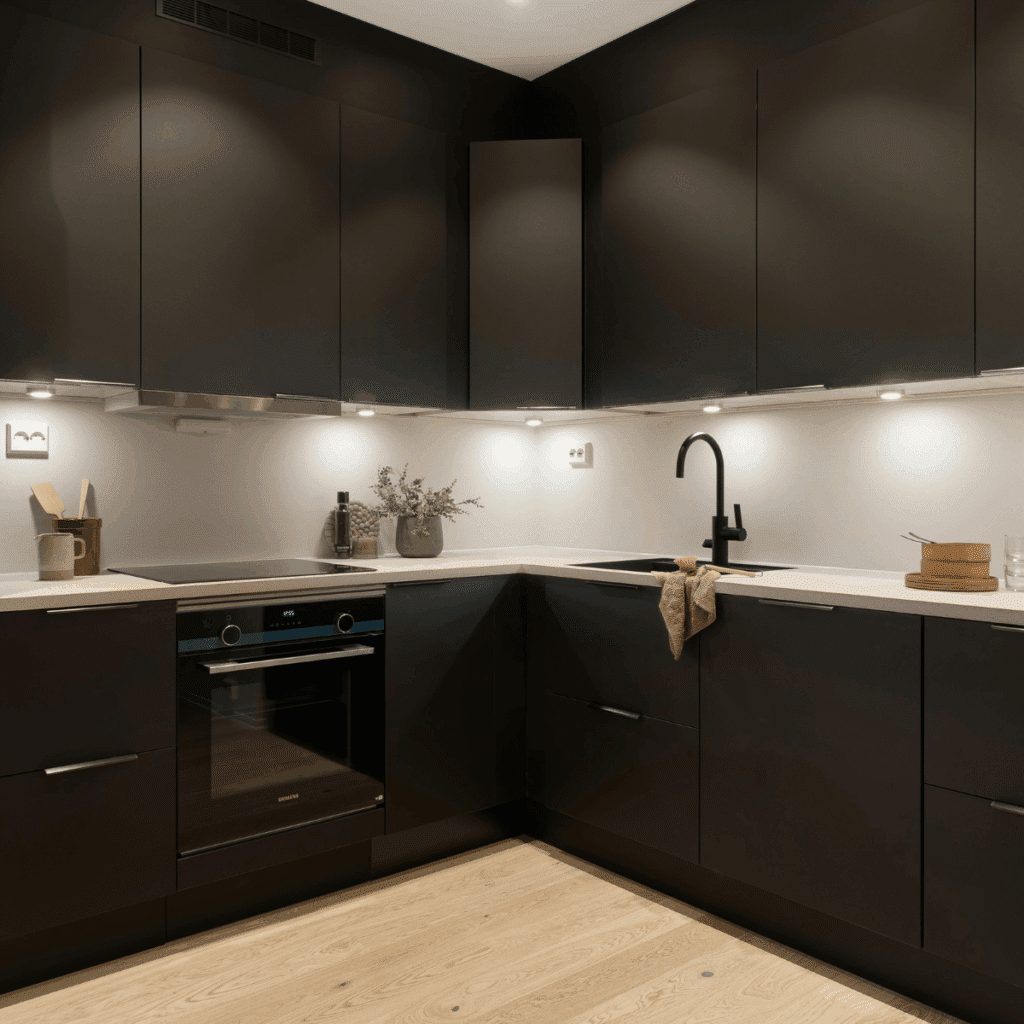
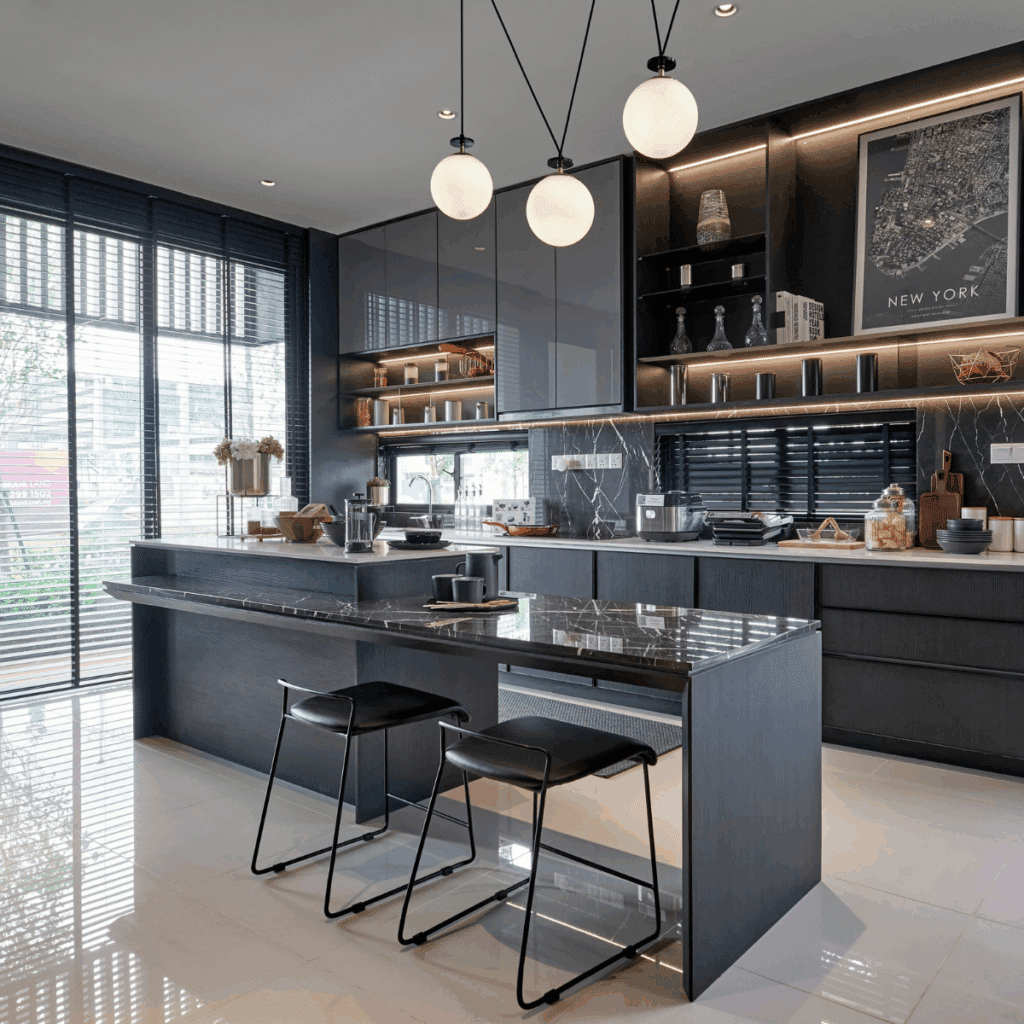
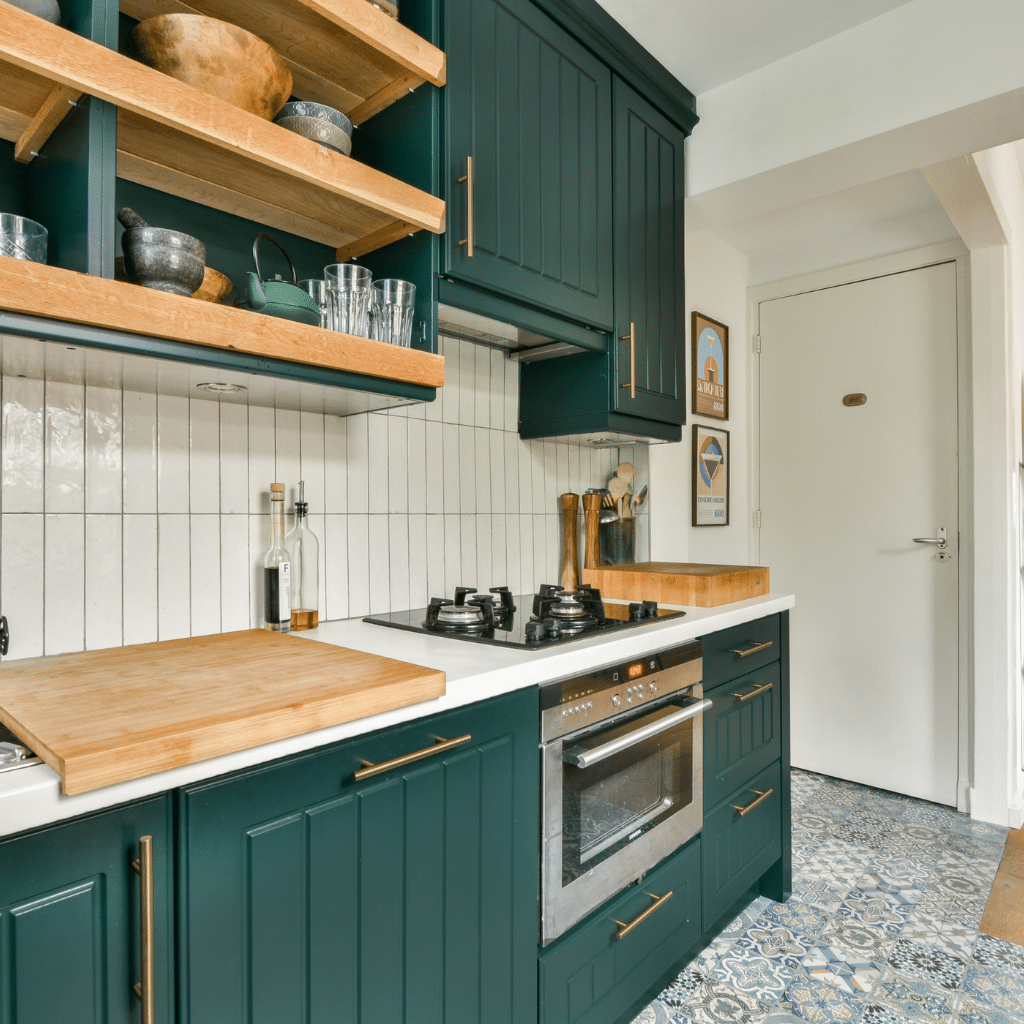
Professional kitchen wrapping can update suitable cupboard doors, drawers and panels using contemporary architectural finishes.
Alternatively, replacement kitchen doors may be appropriate where the existing fronts are damaged or the landlord wants a different door style.
The result can be a significantly more modern-looking kitchen without the expense and disruption associated with a complete rip-out.
2. Give Tired Worktops a New Look
Worktops experience a considerable amount of daily use.
Over time, they may develop cosmetic wear or simply begin to look outdated.
A tired worktop can make an otherwise presentable kitchen feel considerably older.
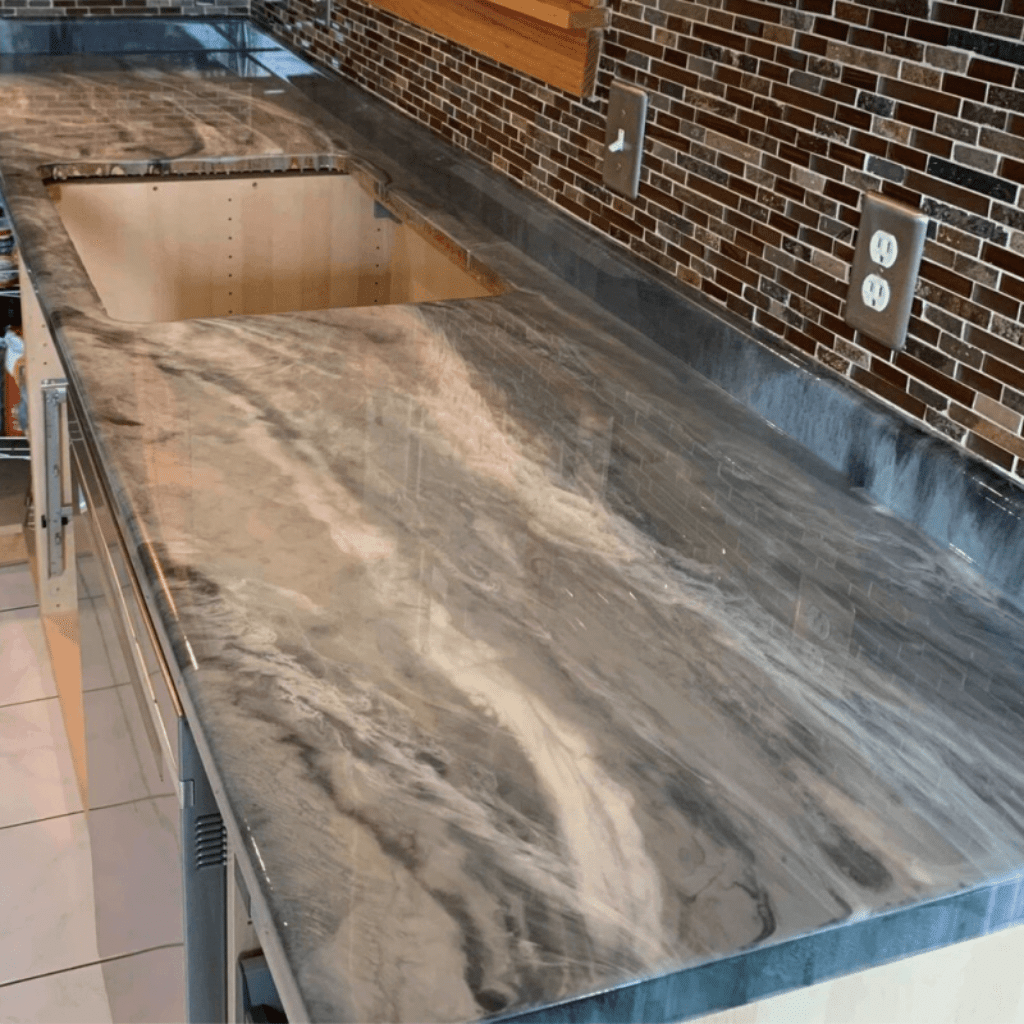
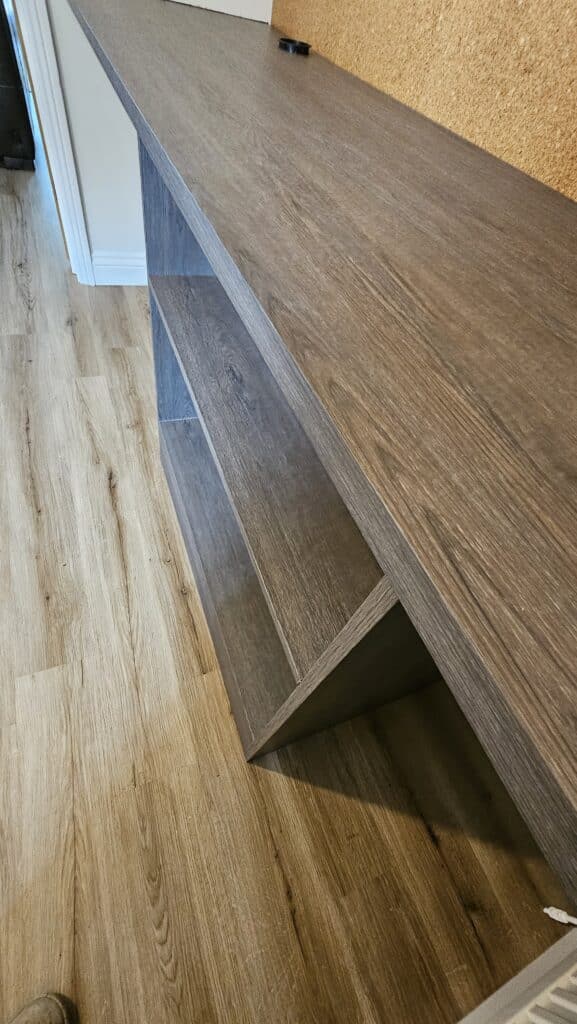
Where the existing surface is suitable, professional worktop wrapping can provide an alternative to complete replacement.
Contemporary finishes can include designs inspired by stone, marble, concrete and wood.
For rental properties, practicality should always influence the choice.
Worktops need to cope with normal household use, and the selected material must be appropriate for the intended application.
Surfaces that are damaged, swollen or unsuitable for wrapping may need repairing or replacing instead.
The aim is to create an attractive, practical finish rather than simply covering up an underlying problem.

3. Consider Replacement Kitchen Doors
Not every kitchen is an ideal candidate for wrapping.
Some doors may be damaged beyond economical refurbishment.
Others may have a design that no longer suits the property’s intended market.
For example, heavily detailed traditional doors may make a relatively modern kitchen feel dated.
If the cabinet carcasses remain sound, replacing the doors can provide another way to update the appearance without replacing the entire kitchen.
This can be particularly useful when landlords want to create a consistent, contemporary look across several rental properties.
Replacement doors can also be combined with other makeover solutions where appropriate.
4. Choose Neutral Finishes That Appeal to More Tenants
Your personal dream kitchen might involve bright pink cupboards and a dramatic black worktop.
And there’s absolutely nothing wrong with that.
But a rental property needs to appeal to a wider audience.
For that reason, neutral finishes are often a sensible choice.
Consider:
- Warm whites
- Cashmere
- Soft greys
- Natural woodgrains
- Light stone effects
- Subtle contemporary textures
These finishes can create a clean, modern appearance while allowing tenants to introduce their own personality through furniture and accessories.
Neutral doesn’t have to mean boring.
A carefully coordinated kitchen with complementary colours and textures can feel stylish without being overly trend-driven.
5. Refresh Fitted Wardrobes and Storage
Rental property makeovers don’t have to stop at the kitchen.
Some properties contain fitted wardrobes, storage cupboards and other built-in furniture.
These features can be expensive to replace, particularly when they have been designed around specific room dimensions.
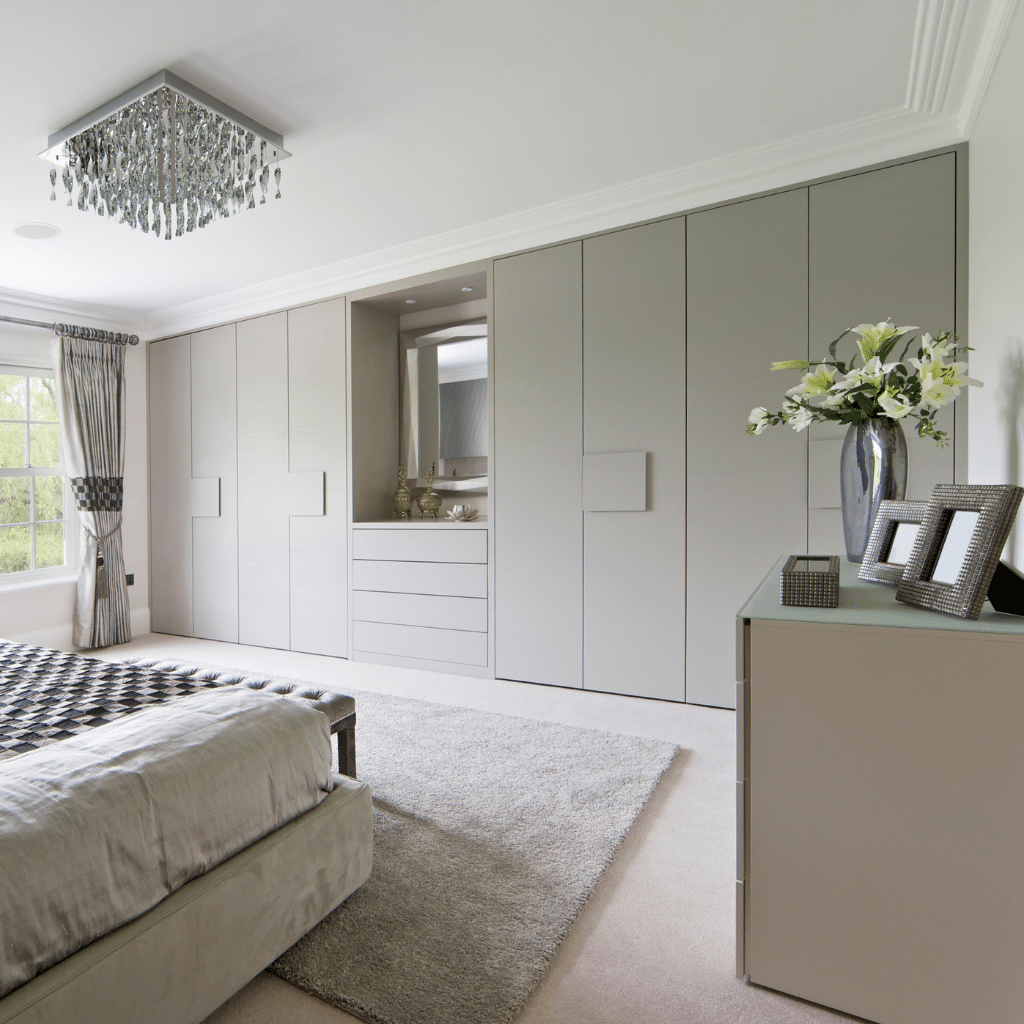
If the existing furniture remains structurally sound, updating its visible finish may be worth considering.
Professional interior wrapping can transform suitable surfaces, helping create a more consistent appearance throughout the property.
This can be particularly useful in furnished rental properties where built-in storage forms a significant part of the interior.
Rather than removing perfectly functional furniture, landlords may be able to retain it and give it a new lease of life.
6. Don’t Overlook Bathroom Vanity Units
Bathrooms are another area where dated fixtures can affect the overall presentation of a rental property.
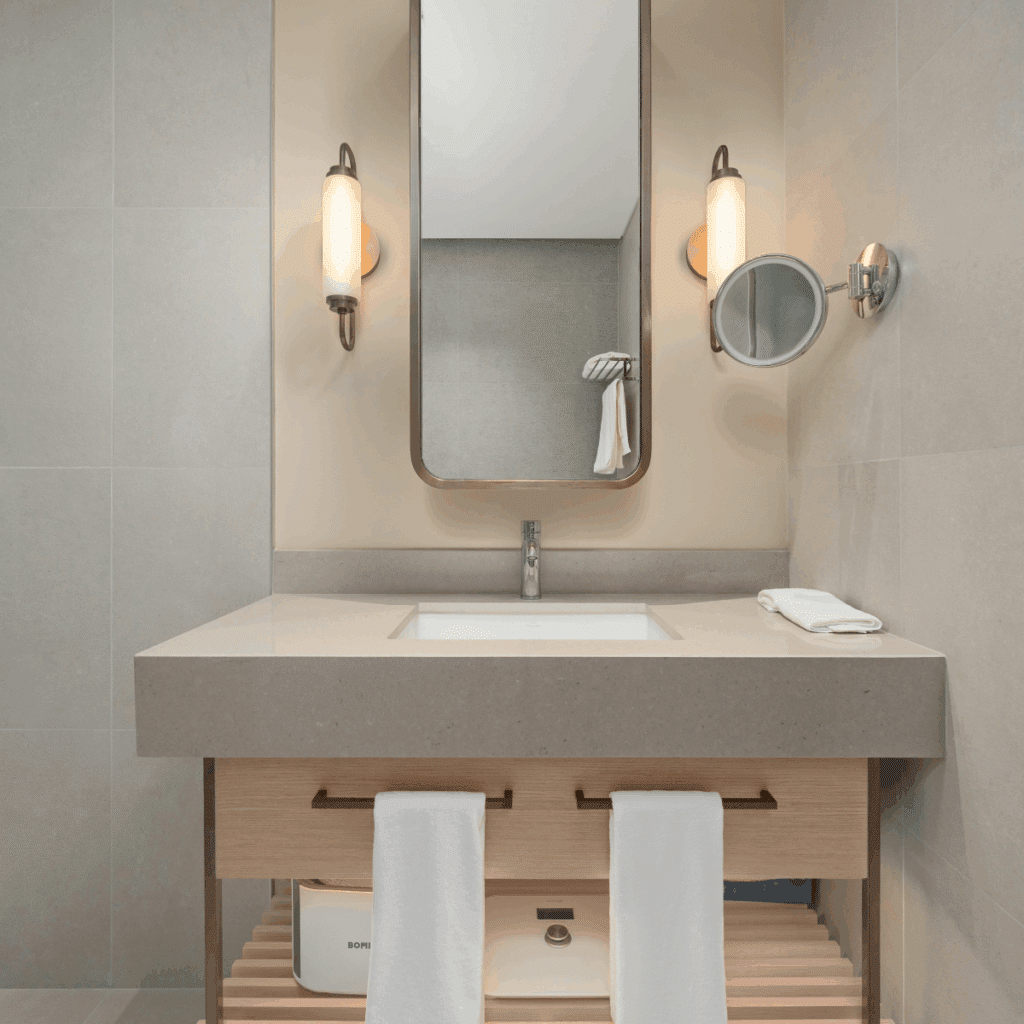
A tired vanity unit may make the room look older even when the basin and other fixtures remain functional.
Depending on the material and condition, suitable cabinetry and decorative surfaces may be candidates for refurbishment.
However, moisture exposure and the condition of the underlying surfaces must be considered carefully.
Wrapping isn’t a substitute for addressing water damage, leaks or defective fittings.
Where a surface is unsuitable, replacement may be the better option.
For landlords, the priority should always be a bathroom that is safe, functional, easy to maintain and appropriately finished.

7. Plan Rental Property Makeovers Around Tenancy Changeovers
One of the biggest challenges for landlords is finding the right time to carry out improvements.
When a property is occupied, refurbishment can be disruptive and may require careful coordination with tenants.
Between tenancies, there’s often a limited window to complete cleaning, maintenance and any planned improvements.
A complete kitchen replacement can involve several stages, including removal, disposal, deliveries, installation and finishing work.
Surface refurbishment can often involve less invasive work because suitable existing fixtures remain in place.
This may help make certain improvements easier to schedule during changeover periods.
However, every project is different.
The amount of preparation required, condition of the surfaces and overall scope of the work will determine the timescale.
Planning ahead is particularly important if you’re trying to have the property ready for a new tenancy.
8. Make Your Refurbishment Budget Work Harder
Landlords have to balance many different expenses.
Mortgage payments, insurance, compliance requirements, repairs and general maintenance can all affect the money available for improvements.
That makes prioritisation essential.
Before committing to a major refurbishment, separate the work into three categories:
Essential repairs: Anything affecting safety, compliance, functionality or the condition of the property.
Necessary replacements: Fixtures and fittings that are damaged, unsuitable or no longer economical to maintain.
Cosmetic improvements: Sound surfaces and furniture that simply look dated.
Essential repairs and legal responsibilities must always come first.
But once those have been addressed, cosmetic refurbishment can be a practical way to improve presentation without automatically replacing every fixture.
For example, retaining sound kitchen cabinetry may allow more of the available budget to be directed towards flooring, decoration or other improvements.
9. Think About Long-Term Maintenance
A rental property makeover shouldn’t just look good on the day the work is completed.
It needs to remain practical throughout everyday use.
That means choosing finishes with maintenance in mind.
Consider how frequently surfaces will be cleaned, the type of wear they’re likely to experience and whether the chosen materials are suitable for the application.
In kitchens, for example, surfaces near cooking appliances, sinks and food preparation areas need particular consideration.
Professional assessment can help determine which existing surfaces are suitable for wrapping and which may require a different solution.
Landlords should also ensure tenants receive appropriate care guidance for any newly refurbished surfaces.
A successful makeover balances appearance with everyday practicality.
10. Create a Consistent Look Across Multiple Properties
For landlords with several rental properties, consistency can make refurbishment planning easier.
Using a coordinated selection of colours and finishes can help create a recognisable standard across a portfolio.
For example, a landlord might choose a small range of neutral kitchen finishes that work well in different property types.
This can simplify future design decisions and make it easier to plan similar improvements when properties become available.
Letting agents and property management companies may also benefit from having a clear approach to cosmetic refurbishment across the properties they oversee.
The aim isn’t to make every home look identical.
It’s to create a consistent standard of presentation while respecting the character and needs of each property.
Rental Property Makeovers vs Full Renovations: What’s the Difference?
A full renovation may involve removing existing fixtures, altering layouts, replacing cabinetry, installing new surfaces and carrying out extensive building work.
A makeover focuses on improving the appearance and usability of existing spaces while retaining suitable elements.
For example, a rental kitchen makeover might involve professional cabinet wrapping, replacement doors, worktop refurbishment and updated hardware.
The existing layout and cabinet structures remain largely unchanged.
This can reduce unnecessary replacement and may make the project more manageable.
However, a makeover isn’t always the correct solution.
If cabinetry is structurally damaged, plumbing is defective or the layout is genuinely impractical, more extensive work may be required.
The smartest approach is to assess the property properly before deciding how much needs changing.
A More Sustainable Approach to Rental Property Refurbishment
Rental properties can undergo numerous updates throughout their lifetime.
Over time, replacing functional kitchens and fitted furniture purely because their appearance is dated can create substantial waste.
Retaining sound fixtures and refurbishing their surfaces can help extend their useful life.
It may also reduce the need to manufacture, transport and dispose of replacement items.
For landlords looking to take a more considered approach to property maintenance, refurbishment can be one part of a wider strategy.
The principle is straightforward:
Repair what needs repairing. Replace what genuinely needs replacing. Transform what’s still perfectly good.
Why Choose ReNewit for Your Rental Property Makeover?
At ReNewit, we specialise in helping property owners transform existing interiors without unnecessary replacement.
Our professional kitchen wrapping, replacement kitchen doors and interior refurbishment solutions can help landlords modernise suitable kitchens, furniture and surfaces.
Whether you own a single rental property or manage a larger portfolio, our team can help assess what’s already there and explore the makeover options available.
We understand that rental property improvements need to be practical, carefully planned and appropriate for the intended use.
And with our Peterborough showroom, landlords and property managers can explore different finishes in person before making their decisions.
Rental Property Makeover FAQs
Is it worth updating a kitchen in a rental property?
If the kitchen looks dated but remains structurally sound, a makeover may be a worthwhile way to improve its presentation. The right approach depends on the condition of the kitchen, the property and the available budget.
Can landlords wrap existing kitchen cupboards?
Yes. Suitable kitchen doors, drawers and panels can often be professionally wrapped. Their condition and material should be assessed before refurbishment is recommended.
Is a rental kitchen makeover cheaper than replacing the kitchen?
It can be more cost-effective when existing cabinetry and surfaces remain suitable for refurbishment. Actual costs depend on the size, condition and scope of the project.
Can a rental property be refurbished between tenants?
Yes. Tenancy changeovers can provide an opportunity to complete cosmetic improvements, although timescales should be planned carefully around the work required and the next tenancy.
What kitchen colours are best for rental properties?
Neutral finishes such as warm whites, cashmere, soft greys and natural woodgrains can provide a contemporary appearance that appeals to a broad range of tastes.
Can fitted wardrobes and bathroom cabinets be refurbished?
Potentially. Suitable fitted furniture and cabinetry may be professionally wrapped, depending on the material, condition and intended use.
Can ReNewit help landlords with multiple rental properties?
ReNewit can discuss makeover requirements for individual properties or wider refurbishment projects, assessing suitable surfaces and the scope of work involved.
Preparing a Rental Property for New Tenants? Give It a Fresh Start.
A rental property doesn’t always need a complete renovation to make a better impression.
Sometimes the kitchen is perfectly functional.
The cupboards are sound.
The worktops simply look tired.
And the fitted furniture needs a new look rather than a trip to the skip.
ReNewit helps landlords, letting agents and property investors modernise suitable existing interiors through professional kitchen makeovers, replacement doors and surface refurbishment.
Whether you’re preparing a property for new tenants or planning improvements across your portfolio, we’ll help you explore what can be transformed before you commit to replacing everything.
Contact ReNewit today or visit our Peterborough showroom to discuss your rental property makeover.