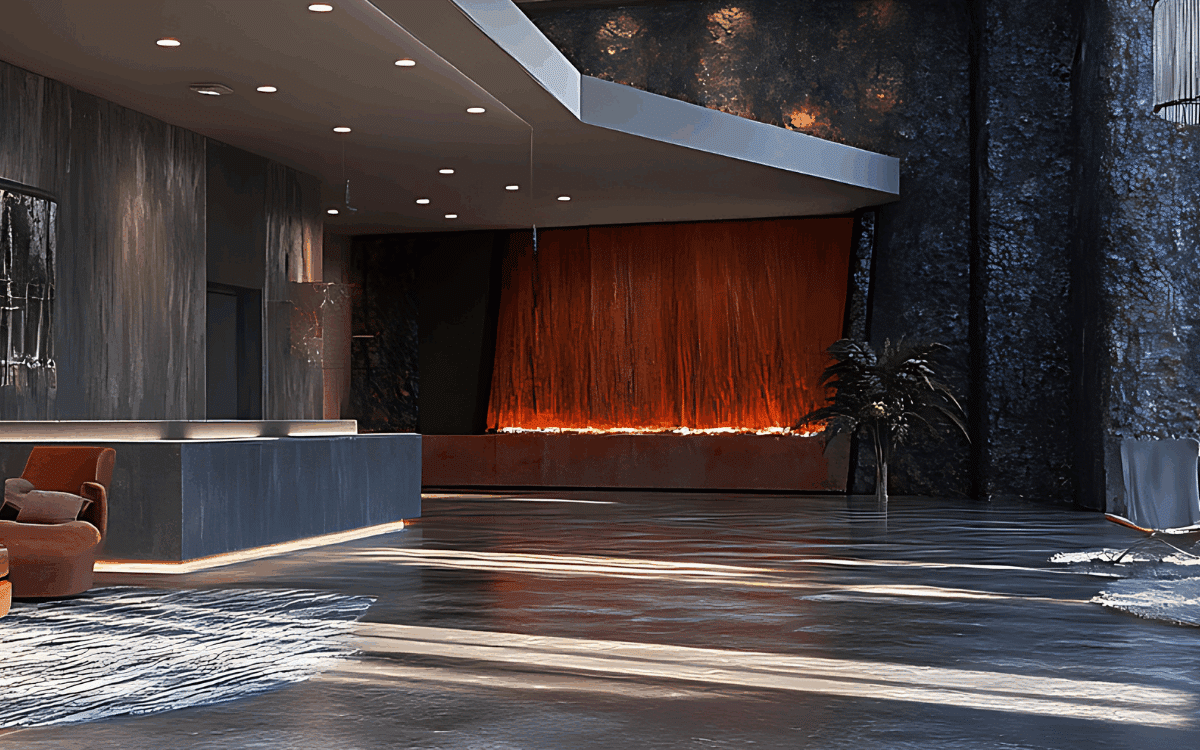
Hotels have a refurbishment problem that most other businesses don’t.
Every room taken out of service is a room that can’t welcome a paying guest.
Yet postponing refurbishment isn’t always an option either.
Furniture becomes scratched. Wardrobes begin to look dated. Desks show years of use. Headboards no longer suit the hotel’s branding. Bathroom surfaces start showing their age.
Eventually, even an immaculately clean hotel room can simply look tired.
Traditionally, solving that problem meant ripping out furniture and replacing large parts of the interior.
But does everything really need replacing?
Increasingly, hotel owners and operators are looking for smarter ways to modernise guest rooms while retaining perfectly serviceable furniture, fixtures and surfaces.
Through professional interior wrapping and refurbishment, existing hotel interiors can often be transformed with significantly less disruption than a conventional rip-out.
And for a business where downtime matters, that’s a major advantage.
Why Hotel Refurbishment Is Different
Refurbishing a house is disruptive.
Refurbishing a hotel can directly affect revenue.
A traditional hotel room renovation may involve:
- Furniture removal
- New furniture deliveries
- Carpentry
- Decorating
- Waste disposal
- Multiple contractors
- Storage requirements
- Extended room closures
Multiply that across 20, 50 or 100 bedrooms and suddenly a refurbishment programme becomes a major logistical operation.
That’s before considering reception areas, corridors, restaurants, bars and communal spaces.
Hotels therefore have to balance two priorities:
Keeping the property looking fresh and desirable while keeping as much of it operational as possible.
That’s where refurbishment rather than wholesale replacement can become particularly valuable.
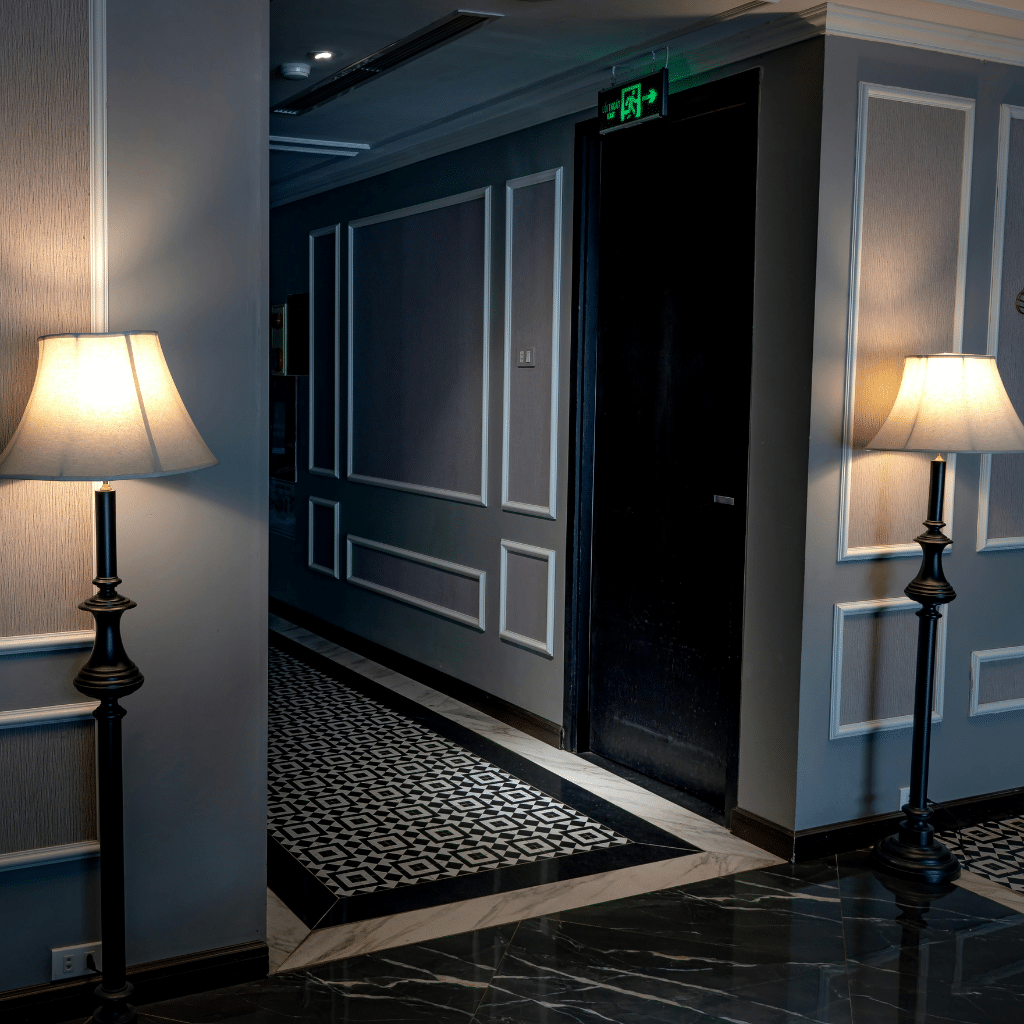
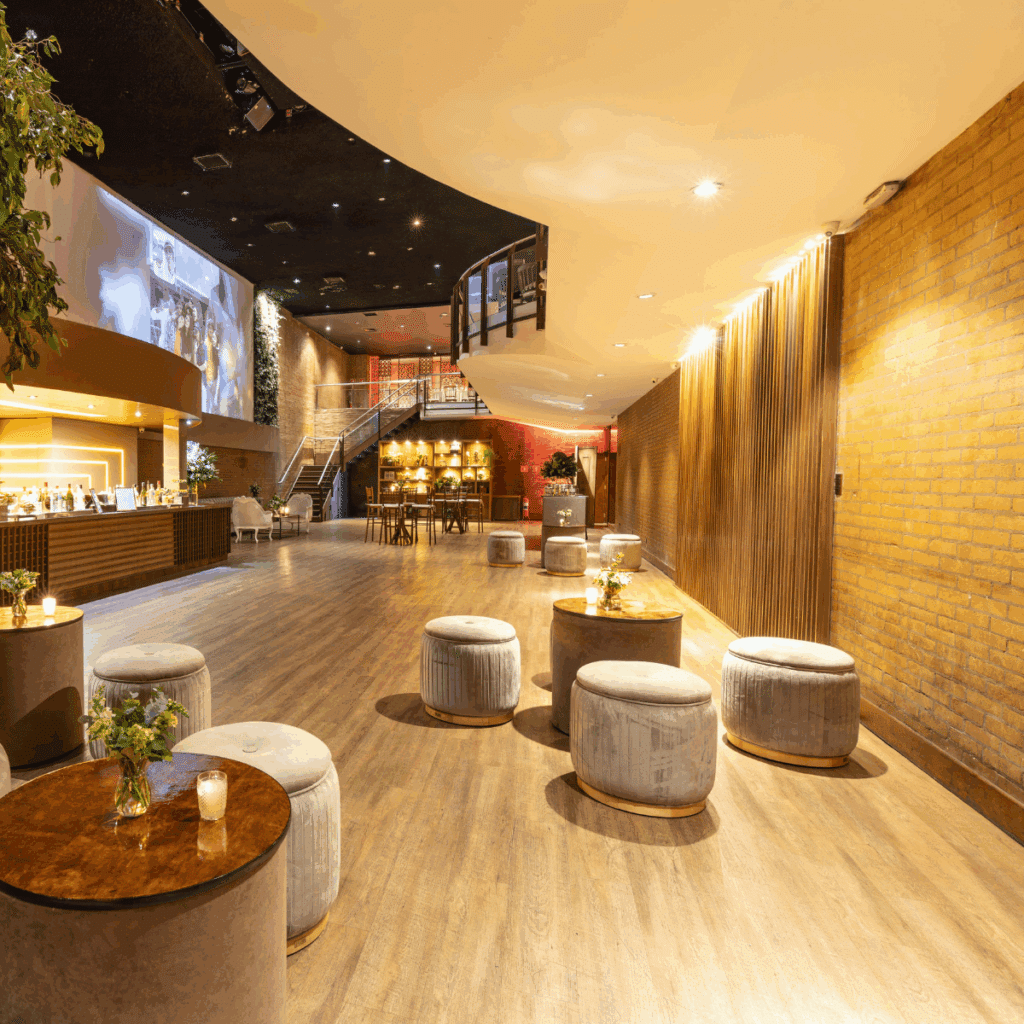
Does Tired Hotel Furniture Actually Need Replacing?
Not necessarily.
Hotels contain a huge amount of fitted and freestanding furniture that may remain perfectly functional long after its appearance has become outdated.
Think about:
- Wardrobes
- Desks
- Dressing tables
- Bedside units
- Headboards
- Shelving
- Cabinets
- Tables
- Doors
- Reception desks
The construction may still be solid.
The dimensions may work perfectly within the room.
The problem may simply be the colour, finish or visible wear.
Replacing something purely because its appearance is dated can be expensive and wasteful.
Professional refurbishment provides another option: retain the asset and transform the surface.
What Is Hotel Interior Wrapping?
Interior wrapping uses specialist architectural films to transform existing surfaces without replacing the underlying item.
These films are available in a huge range of finishes, including:
- Contemporary woodgrains
- Matte colours
- Stone effects
- Neutral finishes
- Textured designs
- Modern solid colours
- Luxury-inspired surfaces
Applied professionally, they can dramatically change the appearance of existing hotel furniture and interior features.
A dark, dated wardrobe can become a light contemporary feature.
An old reception desk can be brought in line with new branding.
A scratched bedside cabinet can become part of a completely refreshed bedroom scheme.
Instead of designing the refurbishment around what needs throwing away, hotels can begin by asking:
What can we keep and transform?
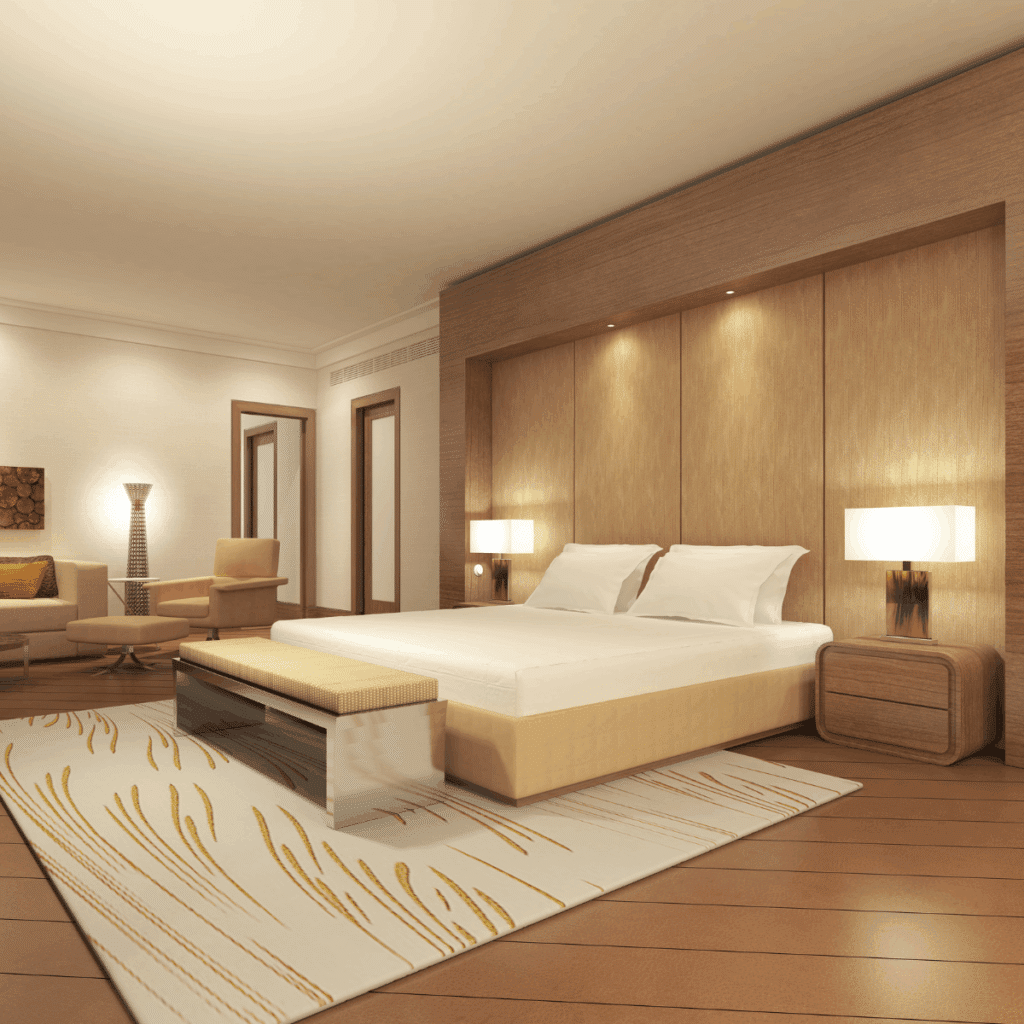
1. Hotel Wardrobes & Fitted Furniture
Built-in hotel furniture can be expensive to replace.
It’s often also made specifically for the dimensions of the room.
Removing it may mean:
- Carpentry work
- Wall repairs
- Decorating
- New bespoke furniture
- Longer installation times
If the furniture itself remains sound, transforming its finish can be a much more practical approach.
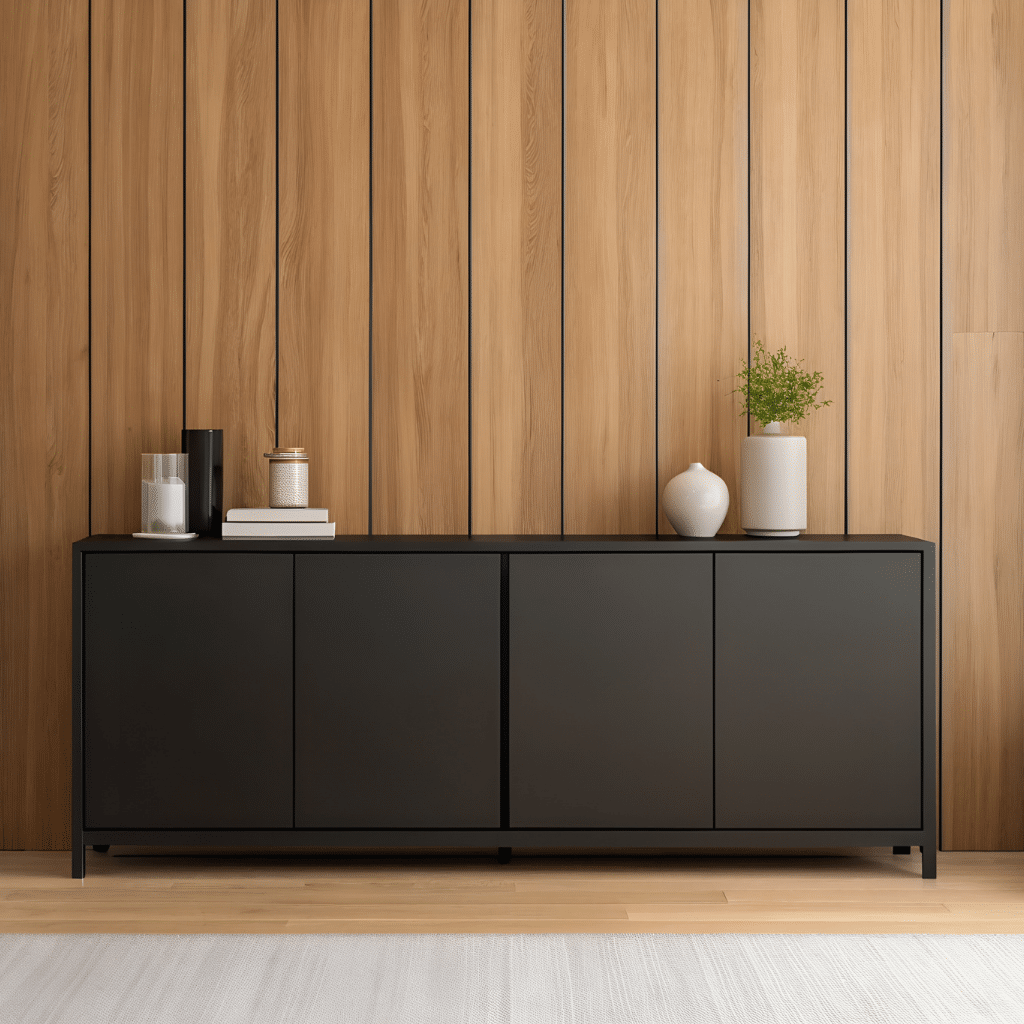
Modern woodgrain, neutral and matte finishes can completely alter the character of fitted wardrobes without requiring them to be ripped from the room.
2. Desks, Dressing Tables & Bedside Units
These are some of the hardest-working pieces of furniture in a guest room.
They experience:
- Suitcases
- Drinks
- Keys
- Laptops
- Cosmetics
- General daily wear
Over time, even quality hotel furniture begins to look tired.
Yet cosmetic wear doesn’t necessarily mean the furniture has reached the end of its useful life.
Refurbishing these surfaces can help create a consistent new design across a bedroom while retaining the existing furniture underneath.
For hotels working across dozens of rooms, this can significantly reduce the amount of replacement required.
3. Headboards & Feature Areas
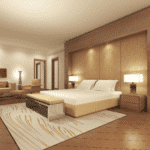
Hotel bedrooms are increasingly designed around visual focal points.
The bed is naturally the centre of the room, making the surrounding finishes particularly important.
A dated headboard wall or tired surrounding furniture can instantly age an otherwise attractive bedroom.
Introducing modern textures, complementary colours and coordinated finishes can completely change the character of the space without altering the room layout.
This can be particularly effective when hotels are repositioning their brand or upgrading rooms to create a more premium guest experience.
4. Hotel Doors & Interior Panels
Doors are everywhere in hotels.
Bedroom doors, bathroom doors, wardrobe doors and communal area doors all contribute to the overall impression of the property.
Replacing large numbers of doors can become a substantial project.
Where suitable, surface refurbishment can provide an alternative way to refresh their appearance and coordinate them with a new interior scheme.
The same applies to decorative wall panels and other smooth interior surfaces.
Small details repeated across dozens of rooms can have an enormous impact on how modern a hotel feels.
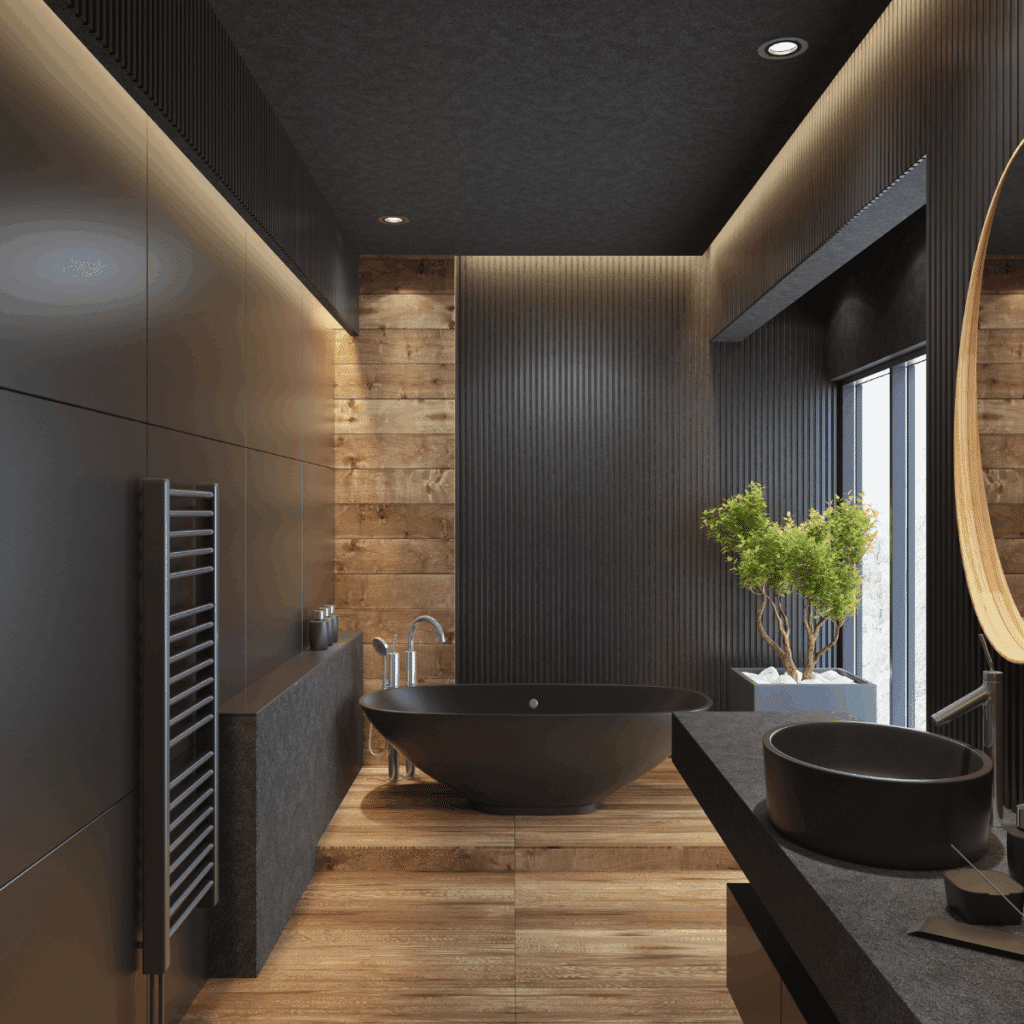
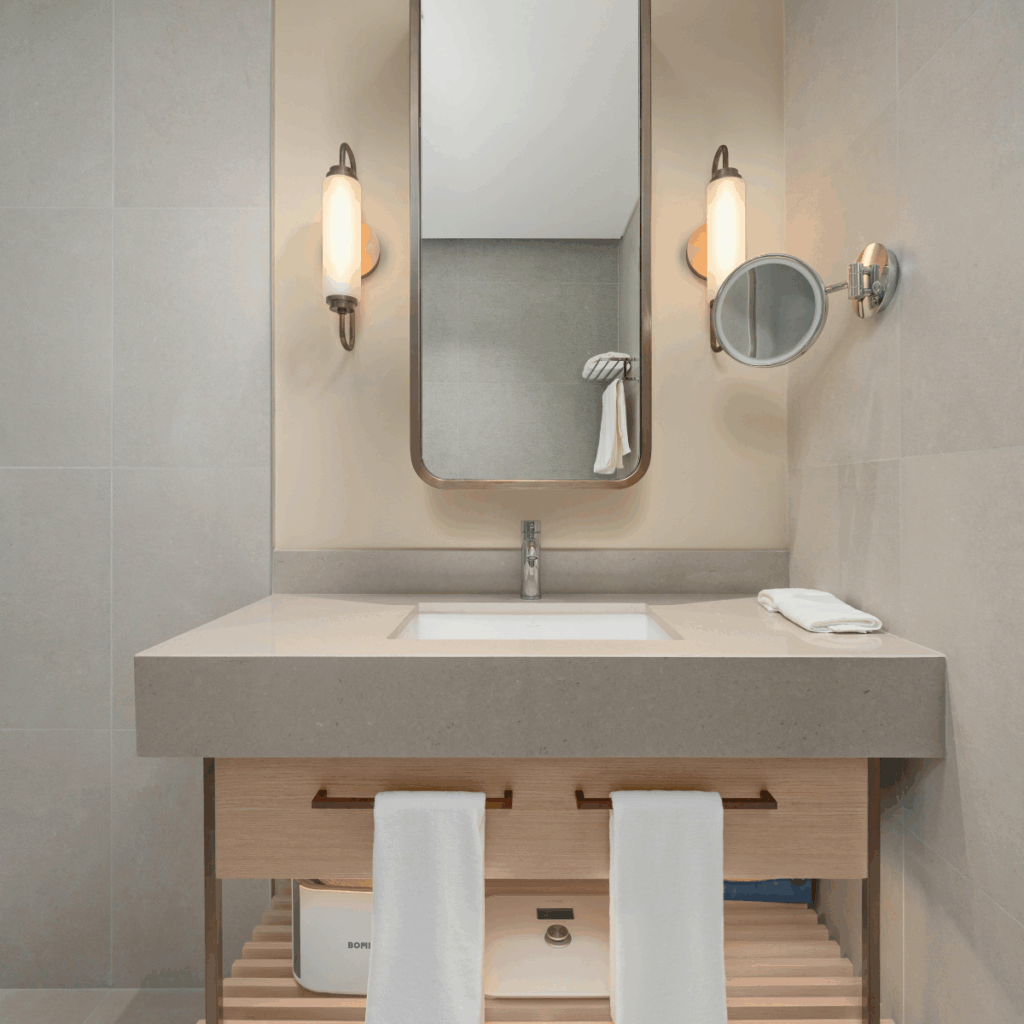
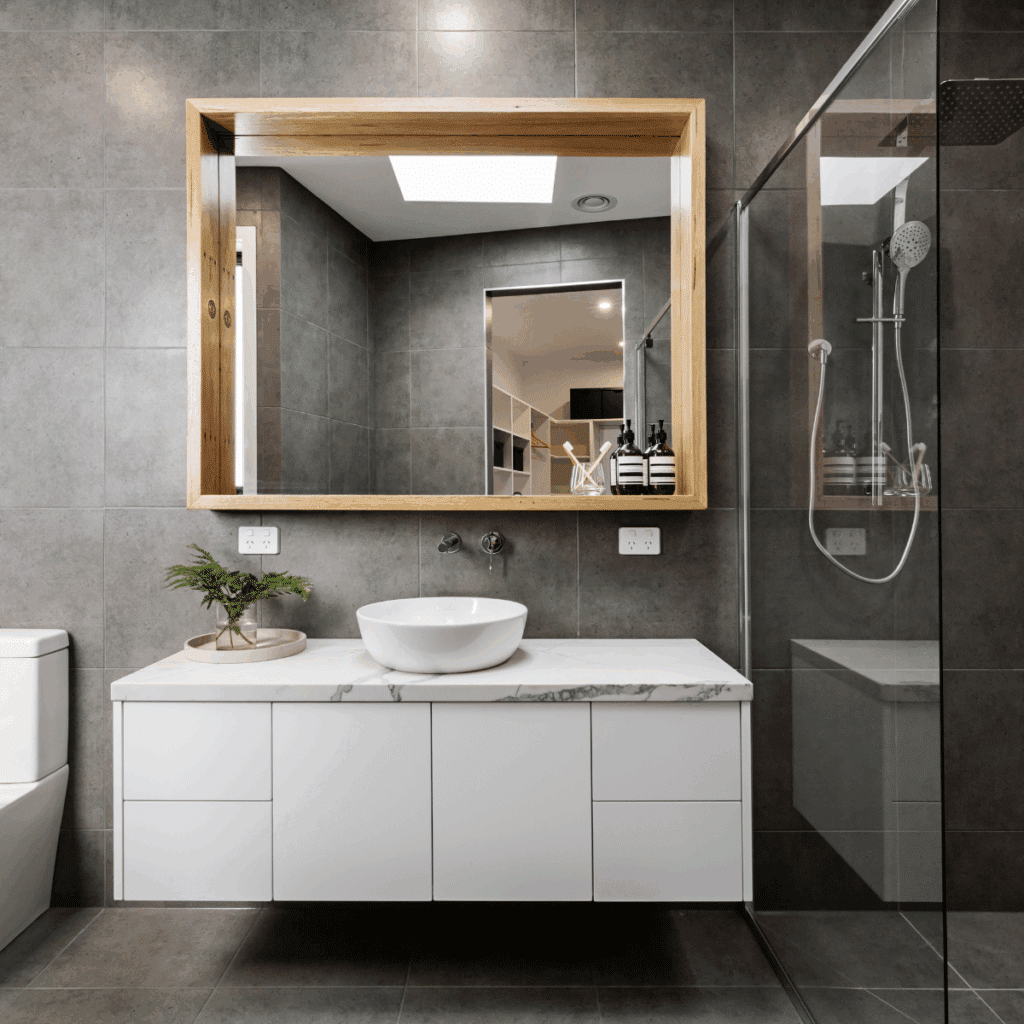
5. Bathroom & Vanity Areas
Bathrooms are one of the first areas guests scrutinise.
They don’t necessarily need to be brand new, but they do need to feel:
- Clean
- Modern
- Well maintained
- Considered
Tired vanity units and suitable decorative surfaces may be candidates for refurbishment as part of a wider room makeover.
Of course, wrapping isn’t appropriate for every surface or every condition. Areas should always be assessed professionally before refurbishment is recommended.
But where the existing fixtures remain sound, retaining and refreshing them can help reduce the amount of unnecessary replacement within a project.
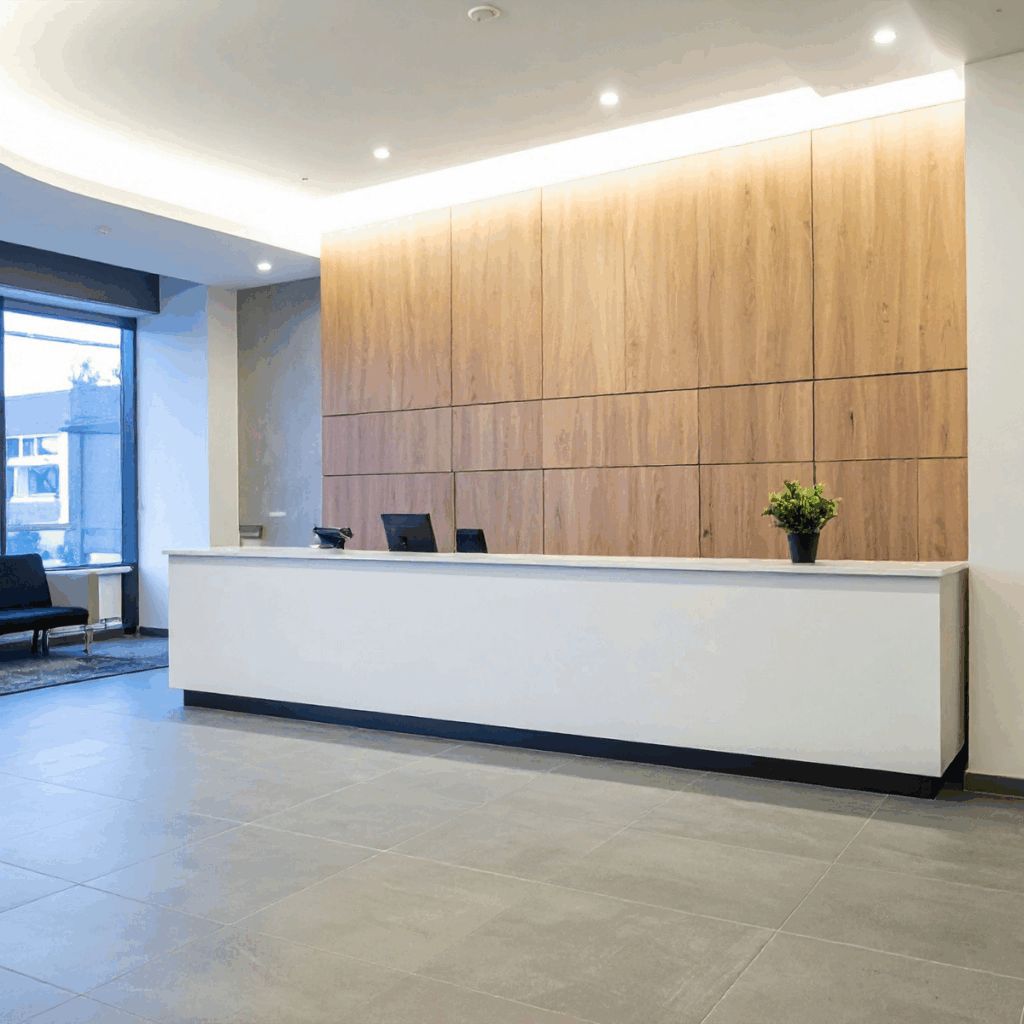
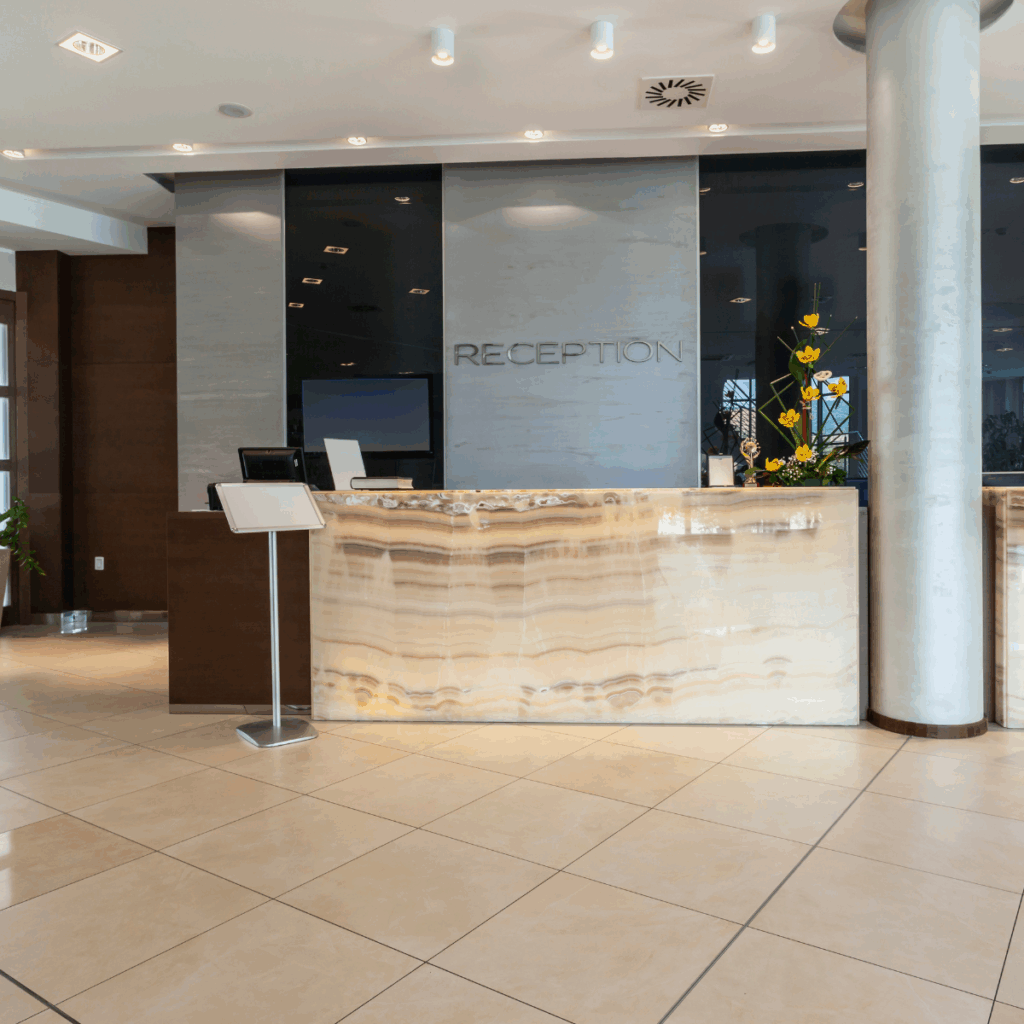
6. Reception Areas & Front Desks
The guest experience doesn’t begin when someone opens their bedroom door.
It begins at reception.
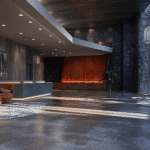
A hotel’s reception desk is often one of the largest visual features guests encounter when arriving.
If it looks dated, scratched or no longer reflects the hotel’s branding, it can undermine an otherwise impressive entrance.
Replacing a large bespoke reception desk can be costly.
Refurbishing the existing structure can allow hotels to introduce:
- New brand colours
- Woodgrain finishes
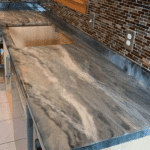
- Stone-inspired surfaces
- Contemporary neutrals
- Premium textures
without commissioning an entirely new reception installation.
That’s a lot of visual impact from one transformation.
Less Downtime Can Mean More Available Rooms
This is where smart hotel refurbishment becomes particularly attractive.
Traditional renovations may require rooms to remain unavailable while old interiors are removed and replacements are installed.
Surface refurbishment can often be completed with far less invasive work.
That means hotels can potentially plan projects around:
- Occupancy levels
- Quieter periods
- Individual floors
- Specific room groups
- Planned maintenance schedules
Rather than closing large sections of a property simultaneously, refurbishment programmes can be phased.
For operational hotels, this flexibility can be extremely valuable.
Phased Hotel Refurbishment: Transforming Rooms in Stages
Not every hotel needs — or wants — to refurbish every room at once.
A phased approach can allow operators to modernise the property gradually.
For example, a hotel might begin with one floor or room type before progressing to the next section.
This can help businesses:
- Spread investment
- Reduce operational disruption
- Keep more bedrooms available
- Test new interior schemes
- Coordinate refurbishment around quieter periods
It also provides an opportunity to create consistency across the property over time without requiring one enormous renovation programme.
Create a Consistent Hotel Brand
Modern hospitality is increasingly brand-driven.
Guests aren’t simply booking a bed.
They’re buying into an experience.
Everything from the website and reception area to the bedrooms and restaurant should feel connected.
Interior refurbishment can help hotels introduce consistent:
- Colours
- Textures
- Wood finishes
- Feature surfaces
- Furniture styles
across different areas of the property.
This is particularly useful when an older hotel has been updated gradually over many years and different rooms have started to feel disconnected from one another.
A carefully planned refurbishment scheme can bring those spaces back together.
Sustainability Is Becoming Part of Hotel Refurbishment
Hotels are also under increasing pressure to think about sustainability.
Large-scale refurbishment creates significant waste.
Replacing dozens of:
- Wardrobes
- Desks
- Doors
- Cabinets
- Tables
- Reception fixtures
can result in enormous quantities of perfectly usable material being removed from a property.
Where existing fixtures remain structurally sound, refurbishment extends their useful life.
That means fewer items need to be manufactured, transported and disposed of purely because their surface appearance has become outdated.
It’s a practical example of how refurbish rather than replace can form part of a more considered approach to hotel improvements.
What About Hotels That Need a Complete Redesign?
Interior wrapping doesn’t mean every hotel should avoid replacement.
Sometimes furniture genuinely has reached the end of its useful life.
Layouts may need changing.
Bathrooms may require complete renovation.
Structural works may be necessary.
The smartest refurbishment strategy isn’t about wrapping absolutely everything.
It’s about identifying:
What needs replacing?
What can be retained?
What can be transformed?
That assessment can help hotels focus their renovation budget where it’s genuinely needed rather than automatically replacing every element within a room.
Beyond Bedrooms: Where Else Can Hotels Refurbish?
The opportunity doesn’t stop at guest rooms.
Depending on the surfaces and their condition, refurbishment solutions may also be considered across:
- Reception areas
- Restaurants
- Bars
- Conference rooms
- Meeting spaces
- Staff areas
- Corridors
- Offices
- Spa reception areas
- Communal lounges
For larger properties, this makes it possible to create a consistent new interior style across multiple areas without approaching each space as a complete rip-out project.
Why Hotels Choose ReNewit
At ReNewit, we specialise in professional interior wrapping and refurbishment solutions for residential and commercial spaces.
For hotels and hospitality businesses, our approach is simple:
Replace what genuinely needs replacing. Transform what doesn’t.
We can help modernise suitable furniture, fixtures and interior surfaces using high-quality architectural finishes designed to create contemporary, professional results.
Our team understands that commercial projects aren’t only about appearance.
They’re also about:
- Timescales
- Disruption
- Operational requirements
- Quality
- Consistency
- Longevity
- Attention to detail
Whether you’re planning a small guest-room refresh or exploring a phased refurbishment across a larger hotel, ReNewit can help you assess what’s possible.
Hotel Refurbishment FAQs
Can hotel furniture be refurbished instead of replaced?
Yes. Where furniture remains structurally sound and has suitable surfaces, professional interior wrapping can transform its appearance without complete replacement.
What hotel furniture can be wrapped?
Depending on the material and condition, suitable items can include wardrobes, desks, bedside units, tables, reception desks, doors, cabinets and other smooth interior surfaces.
Can hotel rooms be refurbished in phases?
Yes. Phased refurbishment can be particularly useful for operational hotels because work can be planned around individual rooms, floors, occupancy levels or quieter periods.
Is interior wrapping suitable for high-use hotel environments?
Professional architectural films are designed for interior applications, but the suitability of individual surfaces and locations should always be assessed before work begins.
Is hotel interior wrapping cheaper than replacing furniture?
It can offer substantial savings where existing furniture remains usable, although every project is different. The greatest value often comes from avoiding unnecessary replacement, removal and associated installation work.
Can reception desks and communal areas be transformed too?
Yes. Suitable reception desks, furniture, doors, panels and other commercial surfaces may all be considered as part of a wider hotel interior makeover.
Does a hotel have to close during refurbishment?
Not necessarily. The requirements depend on the project, but refurbishment can often be phased to reduce disruption and help hotels keep more areas operational.
Planning a Hotel Refurbishment? Before You Rip It Out, See What You Can Reuse
A tired hotel doesn’t automatically need a complete new interior.
Sometimes the foundations of the next design are already there.
The wardrobes fit. The desks work. The reception counter is solid. The bedroom layout works perfectly.
They just don’t look the part anymore.
That’s exactly where ReNewit can help.
We work with hotels and commercial businesses to transform suitable existing interiors through professional surface refurbishment, helping create contemporary spaces with less unnecessary replacement, waste and disruption.
Planning a hotel refurbishment? Contact ReNewit to discuss your property, or visit our Peterborough showroom to explore the finishes available and discover what could be transformed before you commit to ripping everything out.